Tropical Birthday Shaker Card

Tropical Birthday Shaker Card

Tropical Birthday zDSC_0778

(Inside Text:  May your birthday be filled with sunshine, smiles, laughter, love and cheer!)

Wow, it’s been a while!  Great to finally have some time to get back in my craft room…

Our family has several men who celebrate summer birthdays, so I thought I’d design a card with a tropical theme.  I ordered the stamps for this card just before I went on vacation with my family to Ocean City, NJ.  While sitting on the beach, I thought about what I would do with these images when I got home and came up with the shaker card idea.  I brought the shells and sand from the beach home with me!

wwDSC_0769 cropped

The image stamps are called “Tropical Island (L-24219)” and “Birthday Flamingo (J-29905)” and are from RubberHedgehog Rubber Stamps.  The birthday stamp is from the “Happy Birthday To You” set, and the sentiment on the inside is from the “Happy Birthday Duo” set, both from Gina K Designs.

I made another version of this card with the “Let’s Party (G-9610)” stamp from RubberHedgehog Rubber Stamps.  I love this stamp for a party invitation as well as a birthday card.
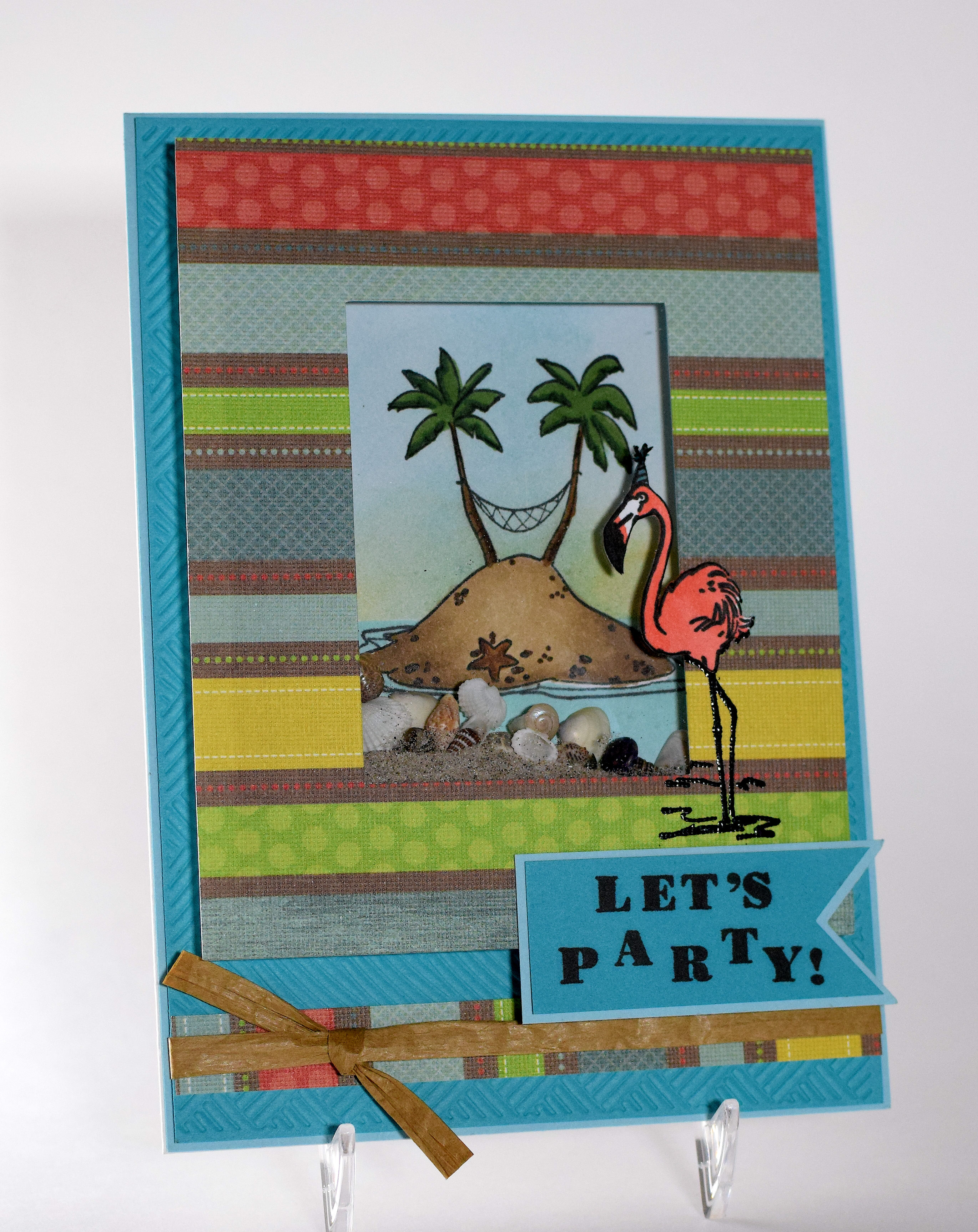
zDSC_0780

The tropical island image was stamped with Memento Tuxedo Black ink on white card stock and was colored with Copic Markers (G24, G28, E55, E57, E59, E42, E43, and E44).  I masked the colored image and inked the background with Gina K Powder Blue, Sweet Mango, and Ocean Mist ink.

The flamingo was stamped on the frame with Versamark ink and embossed with Ranger black embossing powder.  (A portion of the image was lost when it was stamped  over the cut-out portion of the frame.)  I then created a cut file and die cut with my Silhouette Electronic Die Cutting Machine for the body of the flamingo so it could hang over the shaker window.  I stamped the body onto this die cut with Memento Tuxedo Black ink (click HERE to see how) and colored it with Copic Markers (R14, R29, and BG18).  Then, to make it bolder to match the embossed legs better, I stamped over the colored image with Versafine Black Onyx ink.  I was able to stamp over the image because I used my MISTI for all my stamping so it was easy to line up the image to stamp it a second time.  The colored die cut was lined up over the embossed image on the frame.

The greeting was also stamped with the Versafine Black Onyx ink.

The solid card stock is Gina K Blue Lagoon and Ocean Mist, and the patterned paper is DCWV Green Woodland Stripe.  The background panel was embossed with a Darice “Basketweave” embossing folder to add some texture.

I cut the printed frame with my Silhouette, and I used a sizzix die (38-0163 Frame Rectangle) to cut fun foam (3 layers glued together) that I used to raise the frame up to create the pocket for the shaker window.  This window needed to be pretty deep to accommodate the thickness of the shells.  (Here’s a video showing you how to create a shaker pocket with fun foam.)  I also used a small piece of thick acetate for the shaker window, and raffia ribbon to finish it off.

The Mod Squad Challenge this week is “Lazy Days of Summer” where we are encouraged to create a project that makes one think of the lazy days of summer.  Lying on a hammock on the beach…ahhhhh!  (Sadly, this site is no longer active.)

The “Let’s Party” card will be entered in the RubberHedgehog 2016 card contest.

Thanks for checking out my card post!

This content uses referral links as described in the disclosure policy on my sidebar.
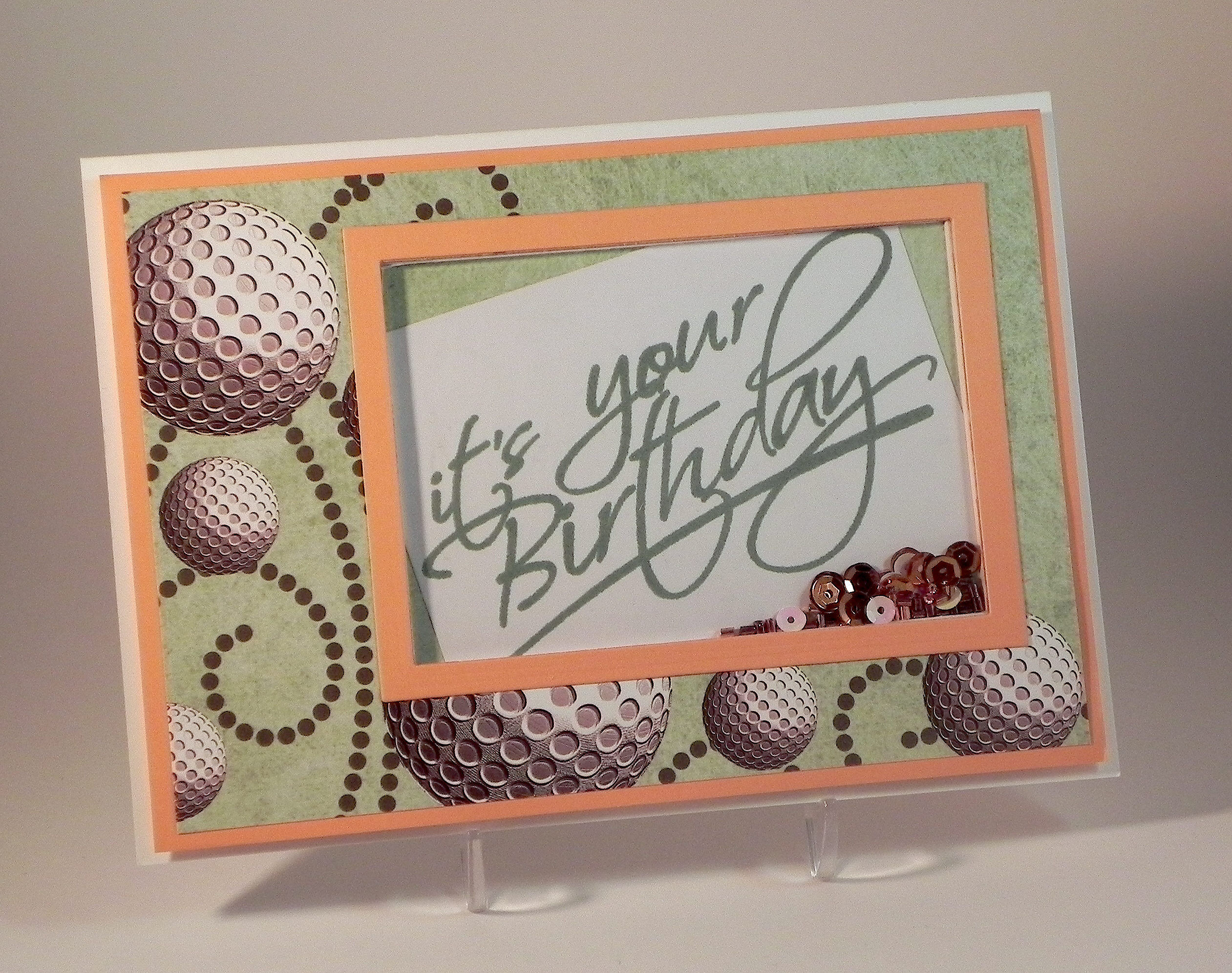
It’s Your Birthday – Golf Themed Shaker Card

It’s Your Birthday – Golf Themed Shaker Card

wwDSCN8907

(inside sentiment:  have a ball)

This 5×7 card was made with Gina K Peach Bellini and white card stock and a piece of designer paper called “Golf” (#1311) from the “On the Edge Sports” line by Ronni.  The greeting was stamped with Gina K Moonlit Fog ink.  I’ve had the greeting stamp for quite some time.  Unfortunately, there is no information on the stamp to indicate who made it, and I don’t remember where I purchased it.

I made a “recessed window” using one of the “A2 Matting Basics B” Spellbinders dies and a craft knife. (See the tutorial HERE by Theresa Momber.)  Dies from the same set were used to create my peach frame and the cut out portion of my card front.  I added sequins and microbeads to the recessed panel and covered it with a piece of acetate to create my shaker panel.  This was adhered behind the cut out portion on my card front.  I used foam tape (two layers) to adhere the front panel to my card base.

wDSCN8919

Thanks for checking out my card project!

This content uses referral links as described in the disclosure policy on my sidebar.
Penny Slider/Spinner Tutorial

Penny Slider/Spinner Tutorial

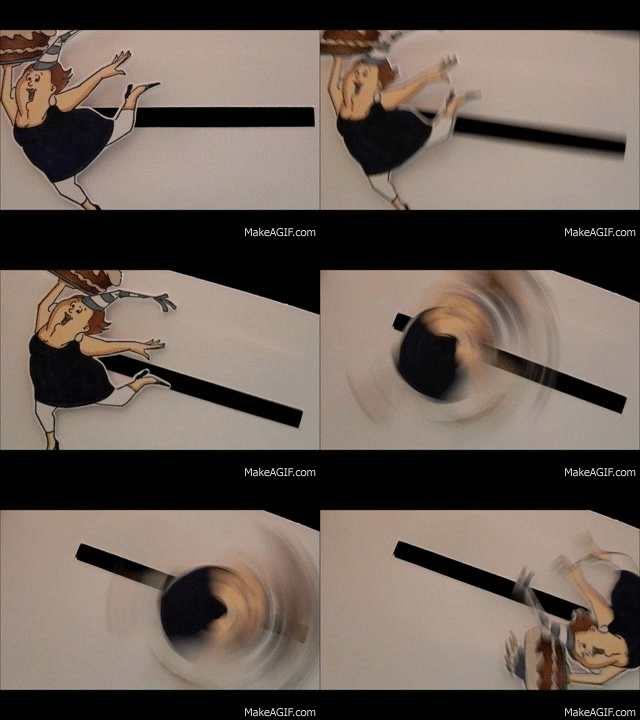
Tropical Penguins Penny Slider Card Video Clip.GIF

(click HERE to see original post for this card)

I’ve recently made two penny slider/spinner cards, and I must say, I LOVE watching the elements roll across the cards!  (Simple pleasures, right?!)  So I figured I’d post a tutorial on how to make one!!

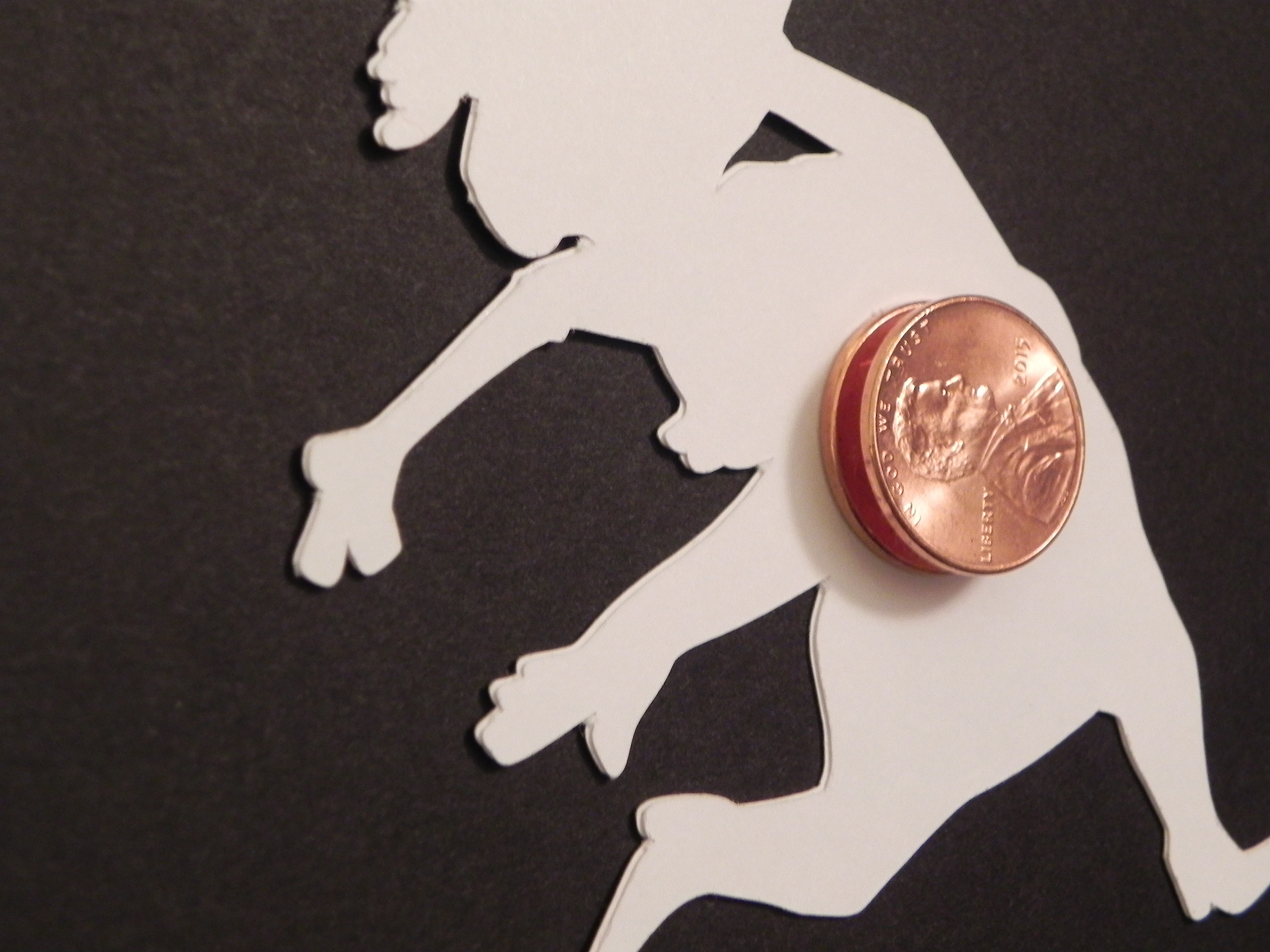
A penny slider card has an element on the card that spins as it travels across the card.  It’s called a penny slider card because the spinning element is mounted on a “sandwich” of two pennies with a pop dot in the center which rolls across the card in a slot or channel that you create on the front of your card.

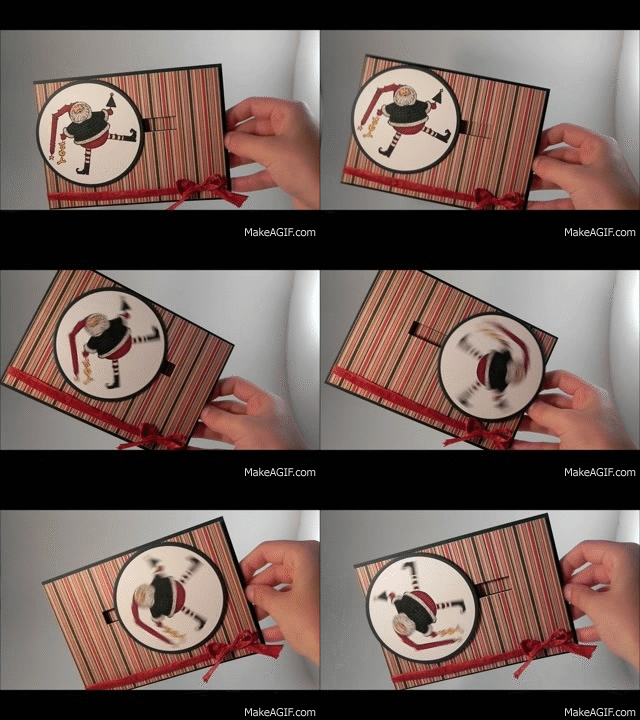
Spinning Santa.gif

(click HERE to see orignal post for this card)

There are three basic parts to a penny slider card:  the element that slides/spins, the channel or slot it spins across, and the card front itself.


1.  To make the sliding/spinning element:

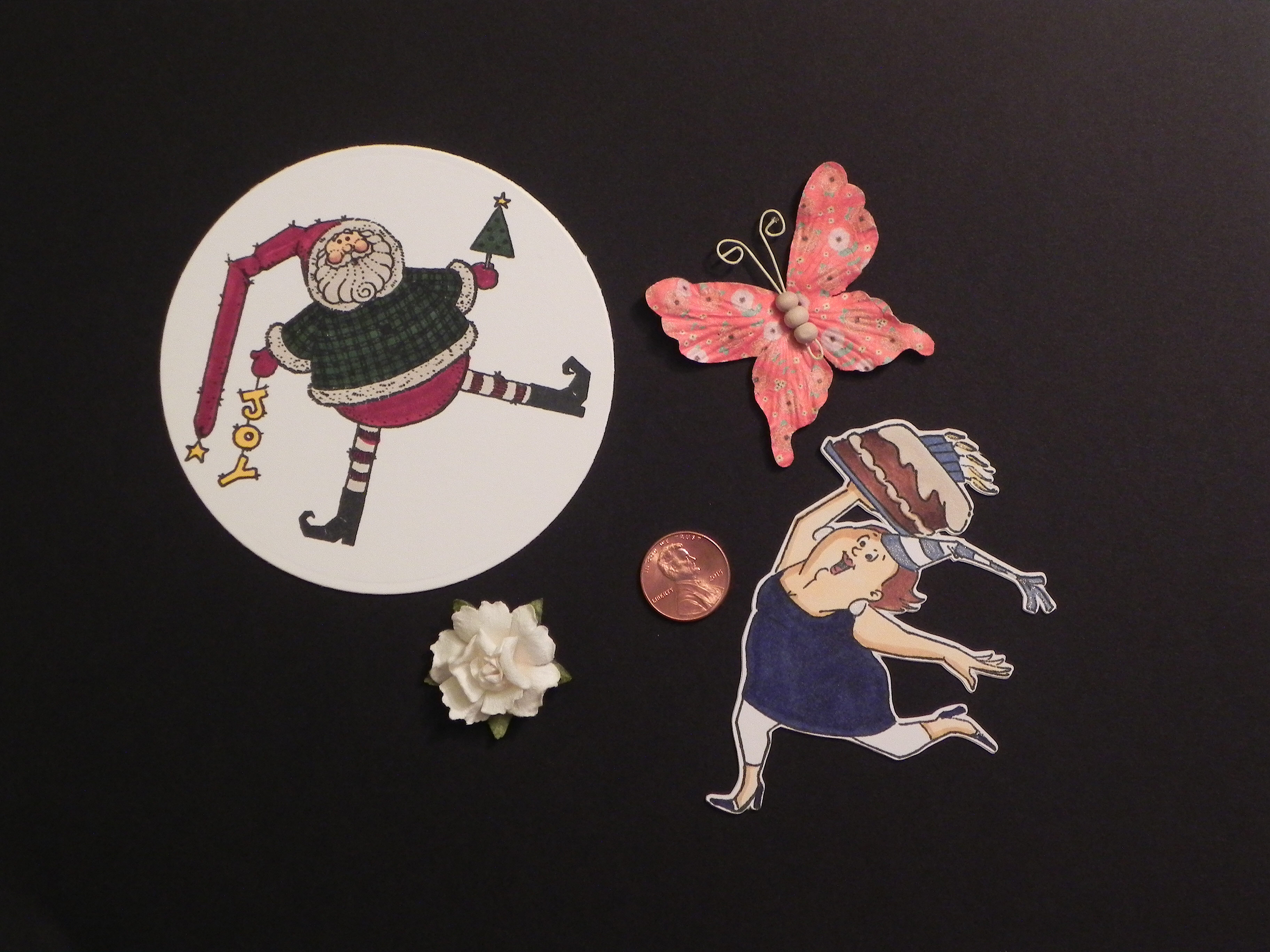
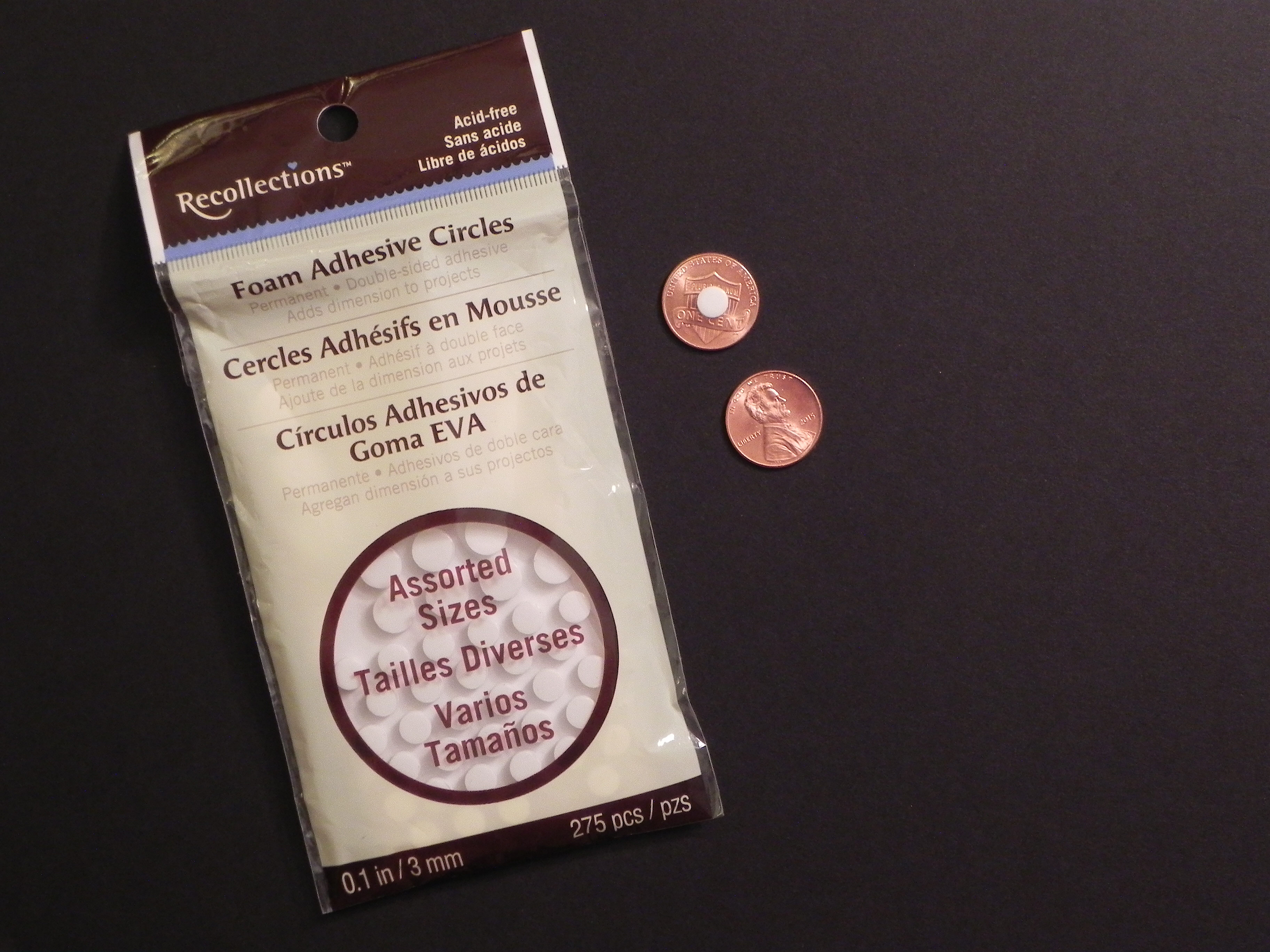
For this step, you need: 2 pennies, a round foam pop dot, glue dots and the thing you want to spin across your card.

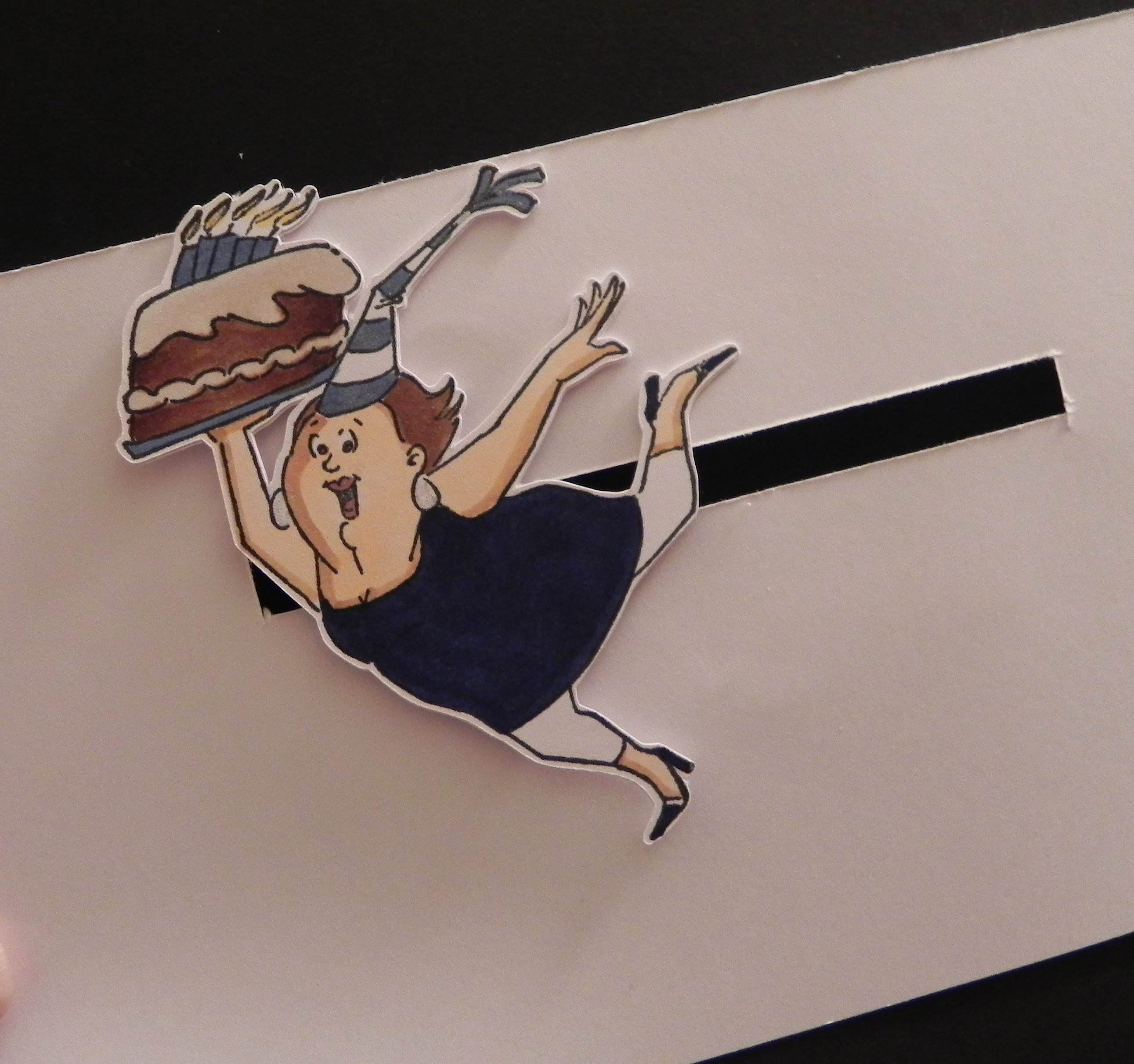
a.  Choose an image or element.  Stamped images either cut out or stamped on a basic shape work well.  Small, 3-D objects like flowers work well also.  Whatever you decide to use needs to be larger than a penny (or whatever coin you plan to use to create your spinner) so the penny will be hidden when the card is assembled.  (I am going to use the birthday gal image by Art Impressions (Hampton Art) # PS0919 for the rest of my tutorial.)
001 DSCN7977

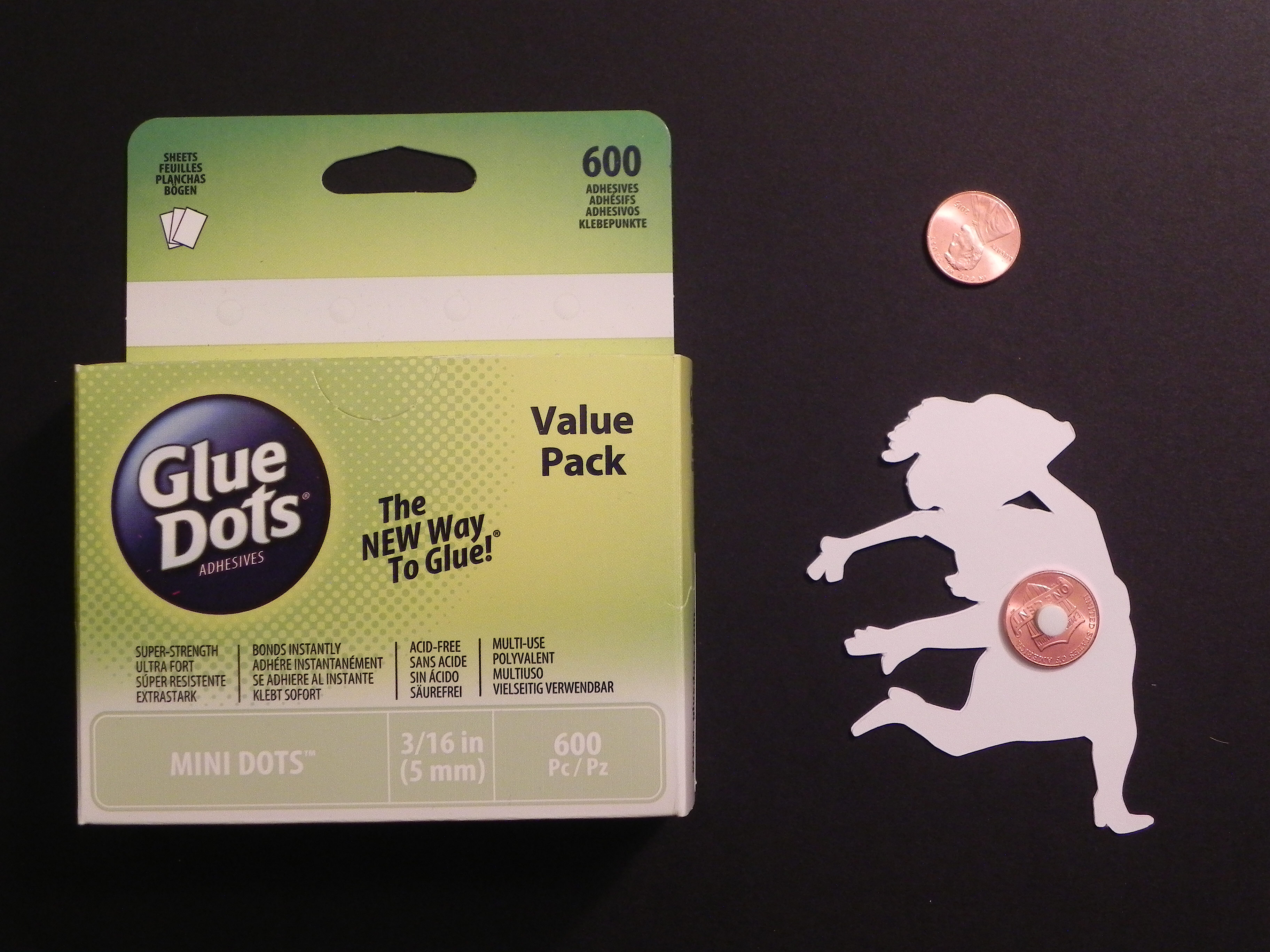
b.  Create half the penny “sandwich” by adhering a round, foam pop dot to the CENTER of one penny.  The size of the pop dot does not matter as long as it is smaller than the coin.

002 DSCN7979  003 DSCN7981

c.  Adhere the image or element to the other side of the penny with glue dots.  Try to make sure the penny is centered on the back of your element.

004 DSCN7989

d.  I’d wait to do this final step until after you create your channel (see section 3), but the final step to create your penny “sandwich” is to attach a second penny to the other side of the pop dot.  Once done, the pop dot will be “sandwiched between two pennies, and this “sandwich” will be attached to the back of your image/element.

006 DSCN7991


2.  Design your card front:

This is the step that requires little explanation since anything goes!  Just plan your card front to incorporate the spinning element you created in the section above.  I suggest using a heavy weight card stock for this panel (either by itself or mounted behind a piece of patterned paper) since you need it to be somewhat sturdy. A flimsy card front will bend slightly and cause the spinner to get stuck as it travels.  (For this tutorial, I am using a plain, white piece of card stock.  Pretend it is decorated beautifully!!)


3.  To create the channel across the front of your card:

For this step, you need a cutting tool (like scissors, a craft knife,  a die or a trimmer) to create the channel/slot.

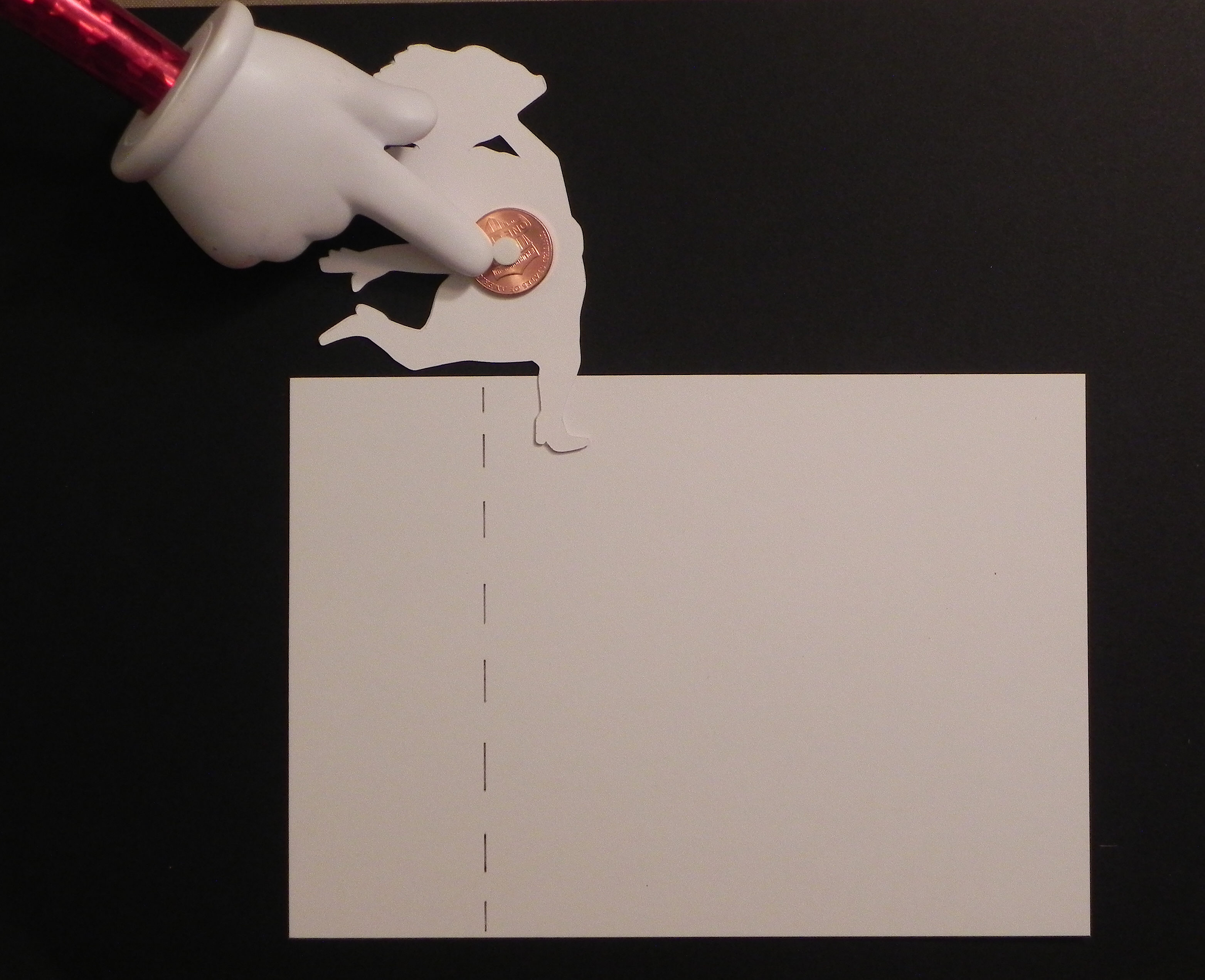
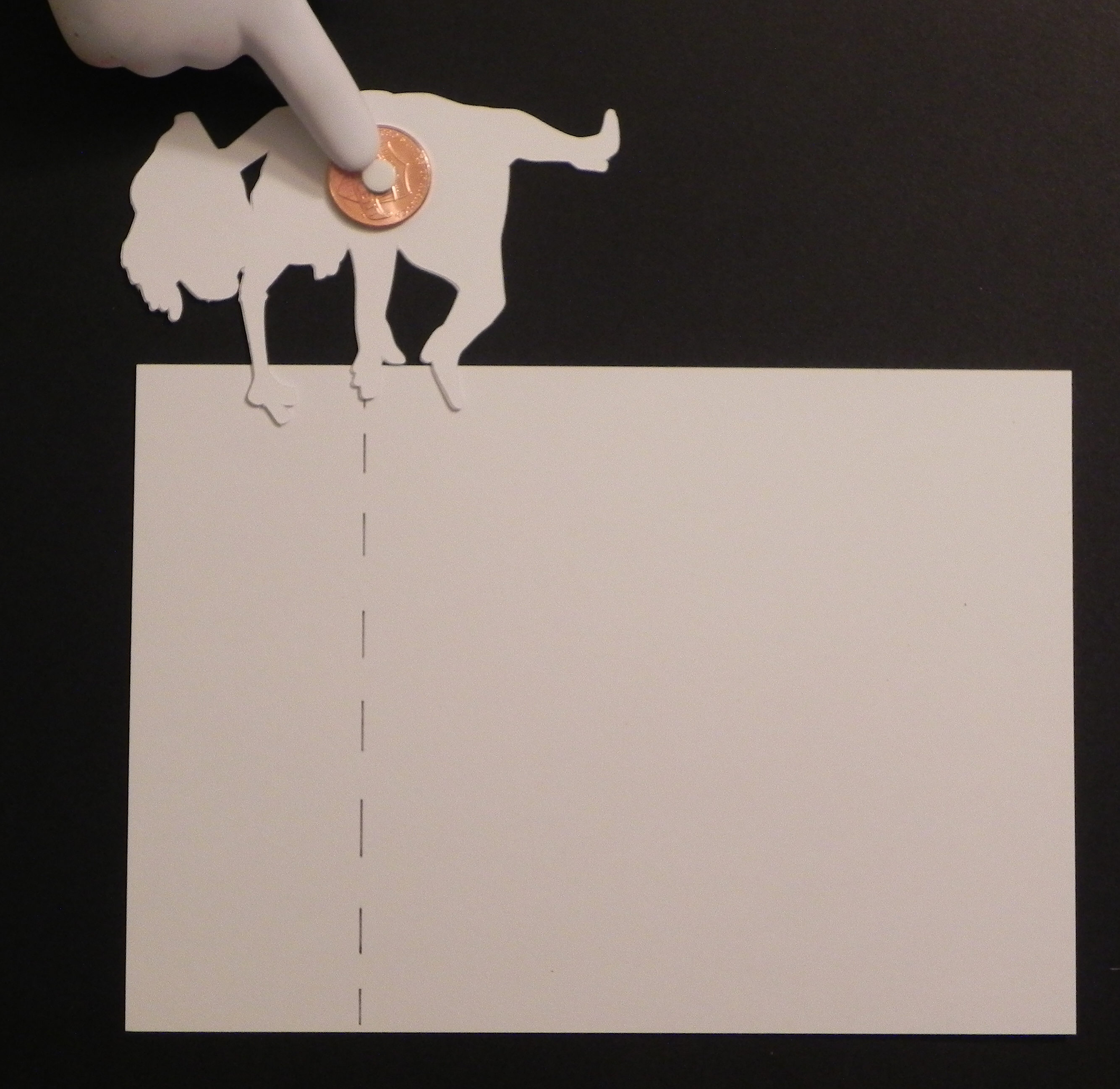
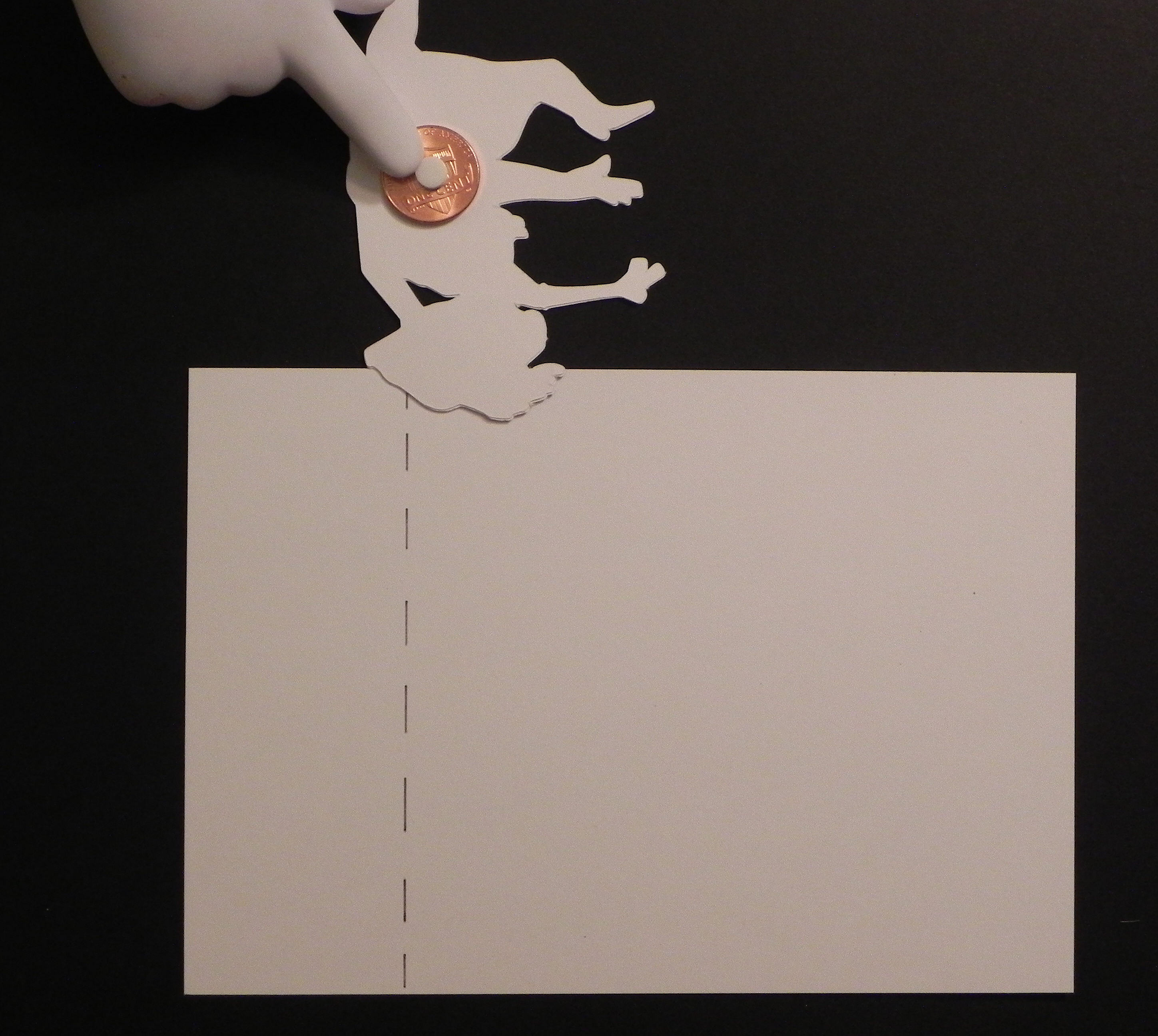
a.  This slot can either be hand-cut, die cut, or created with an electronic die cutting machine.  The slot can be as long/short as you desire.  To prevent the spinning element from hanging over the edges of your card when it gets all the way to the right or left, place your element upside down and note where the pop dot on the penny needs to stop in order for the element to stay within the boundaries of the card.  (Check all possible directions of the element.)  This will give you an idea of how long to make your channel.  (The element will stop spinning to the left when the left side of the foam pop dot hits the left edge of the channel.  The dashed line on the card stock shows where the channel should end based on where the foam pop dot is for this particular element.)

007 DSCN7994  008 DSCN7999

009 DSCN8000  010 DSCN8002

So the yellow highlighted line (below) shows a good length for the channel.  Anything shorter is fine; there will just be less room for your spinner to spin.  Anything longer will allow the spinning element to hang off the card (which is fine if you are ok with that!).

011 DSCN8006

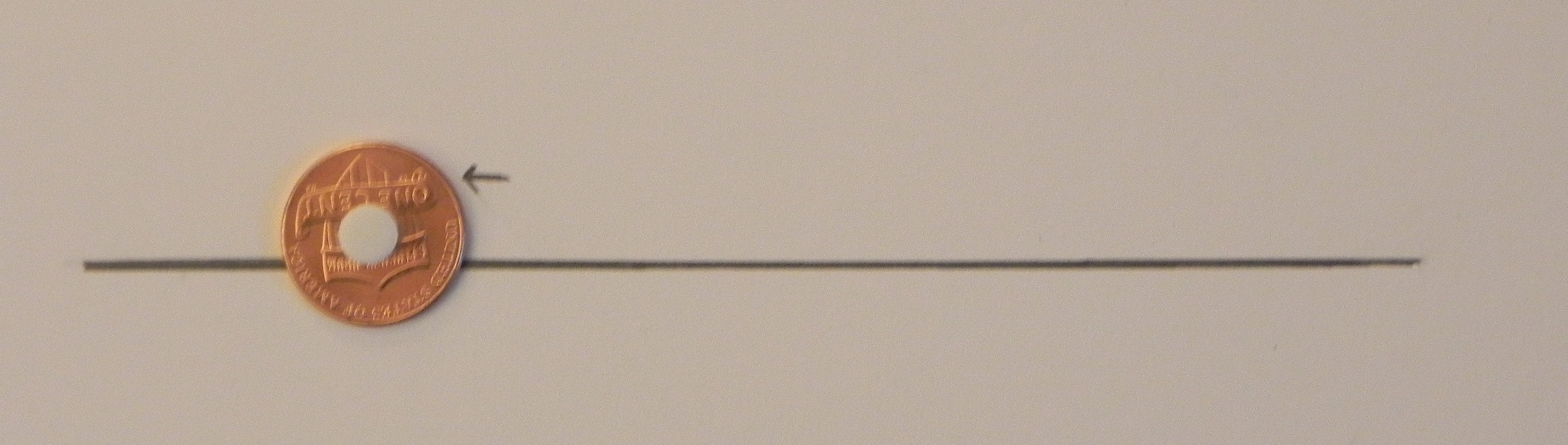
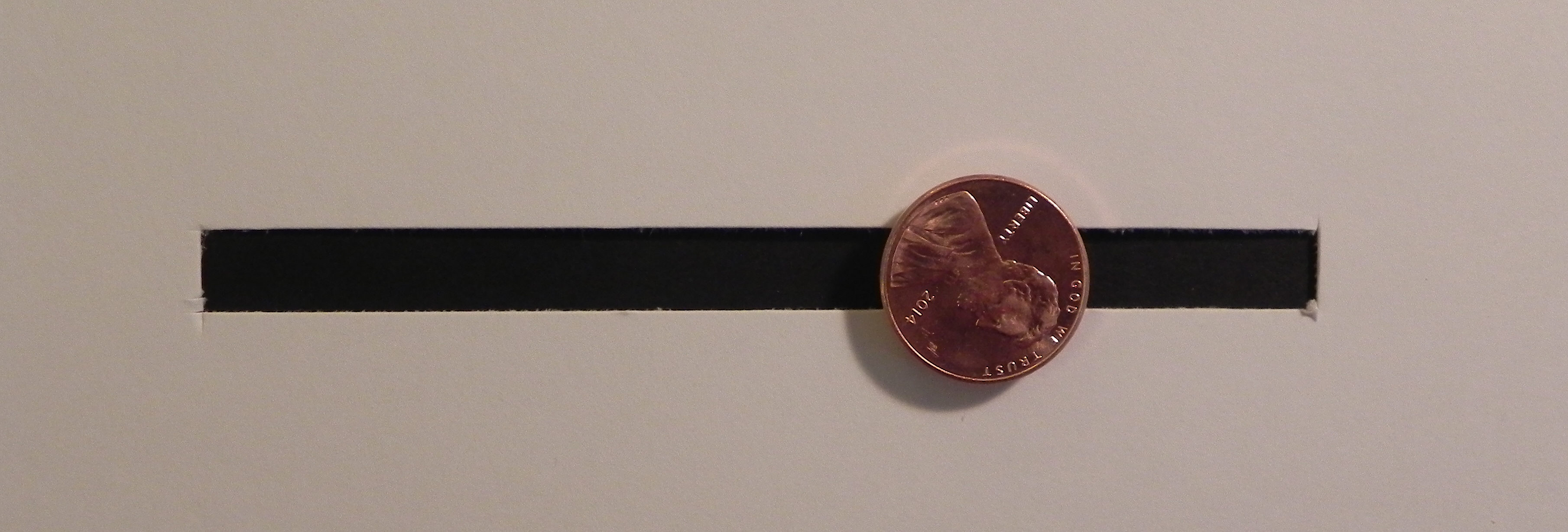
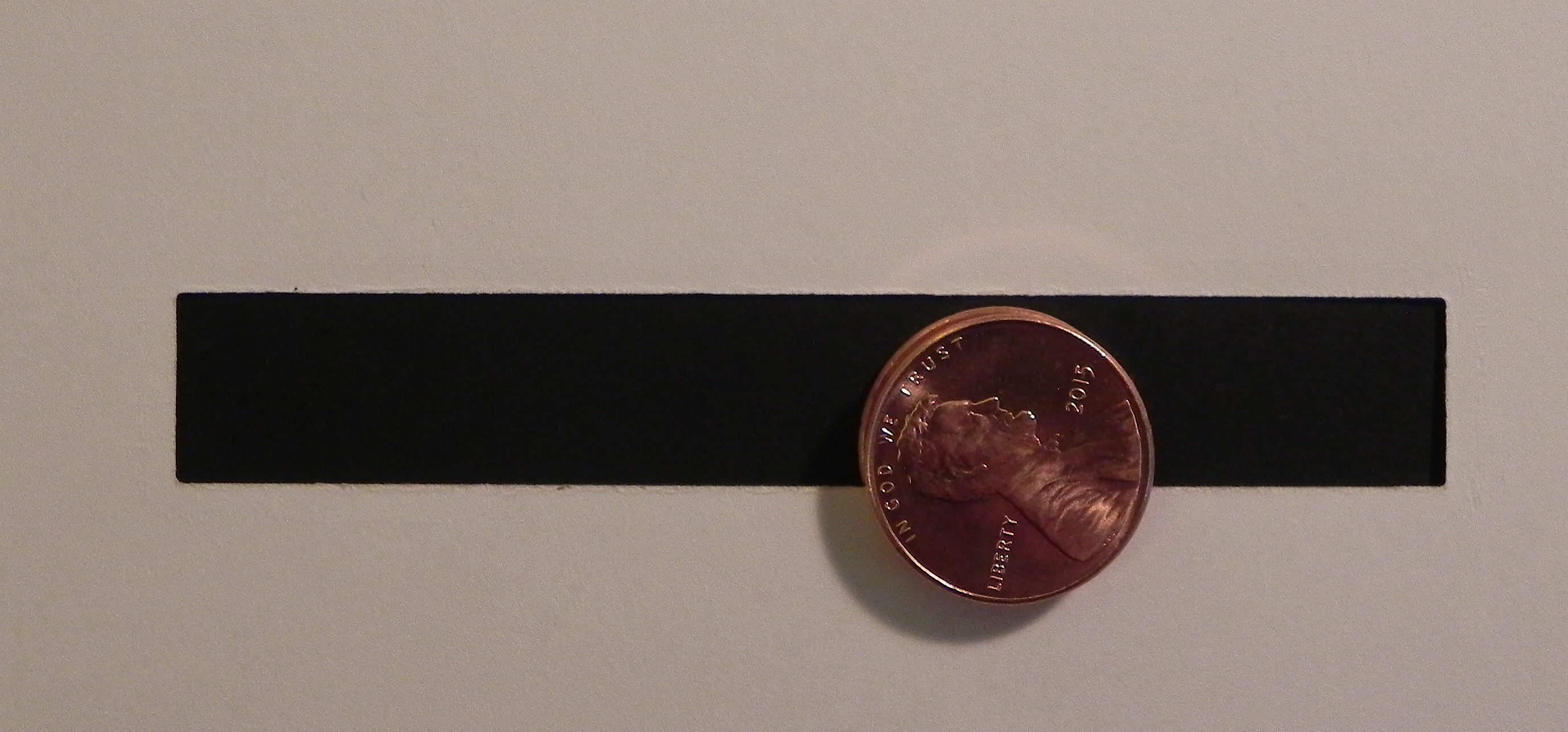
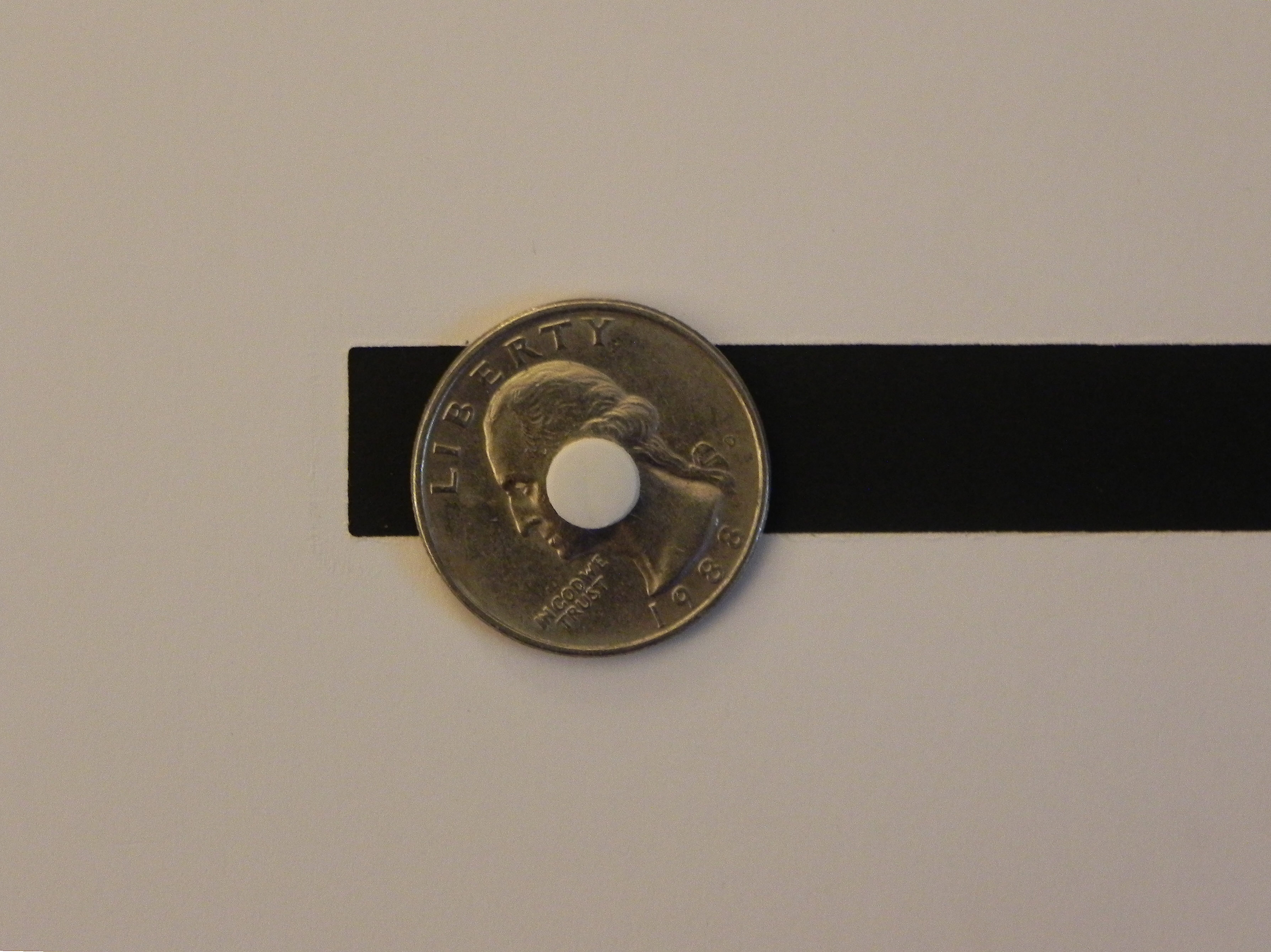
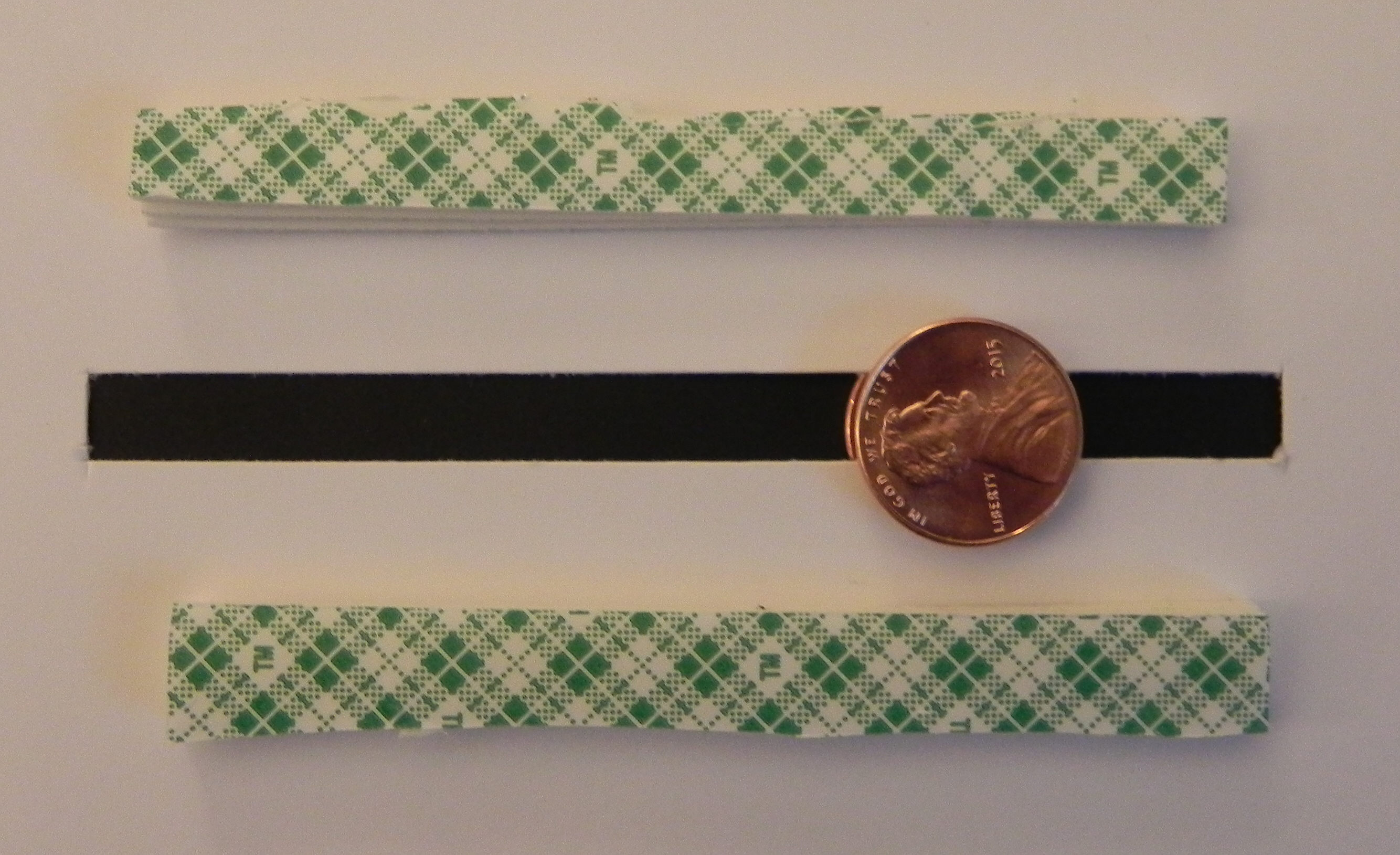
b.  To determine how wide to make the channel, look at the pop dot and coins you chose to use.  Your slot needs to be just slightly larger than the diameter of the pop dot and smaller than the distance from the edge of your coin to the opposite edge of the pop dot.  You want the pop dot to be able to spin freely in the channel, but you don’t want the sandwich to fall out of the slot once it is inserted.

012 DSCN7655

In the photo above, the line represents the bottom of the channel or slot on which the pop dot will sit/roll.  The little arrow shows a good place to cut the top of the channel because it is above the pop dot but below the top of the coin.

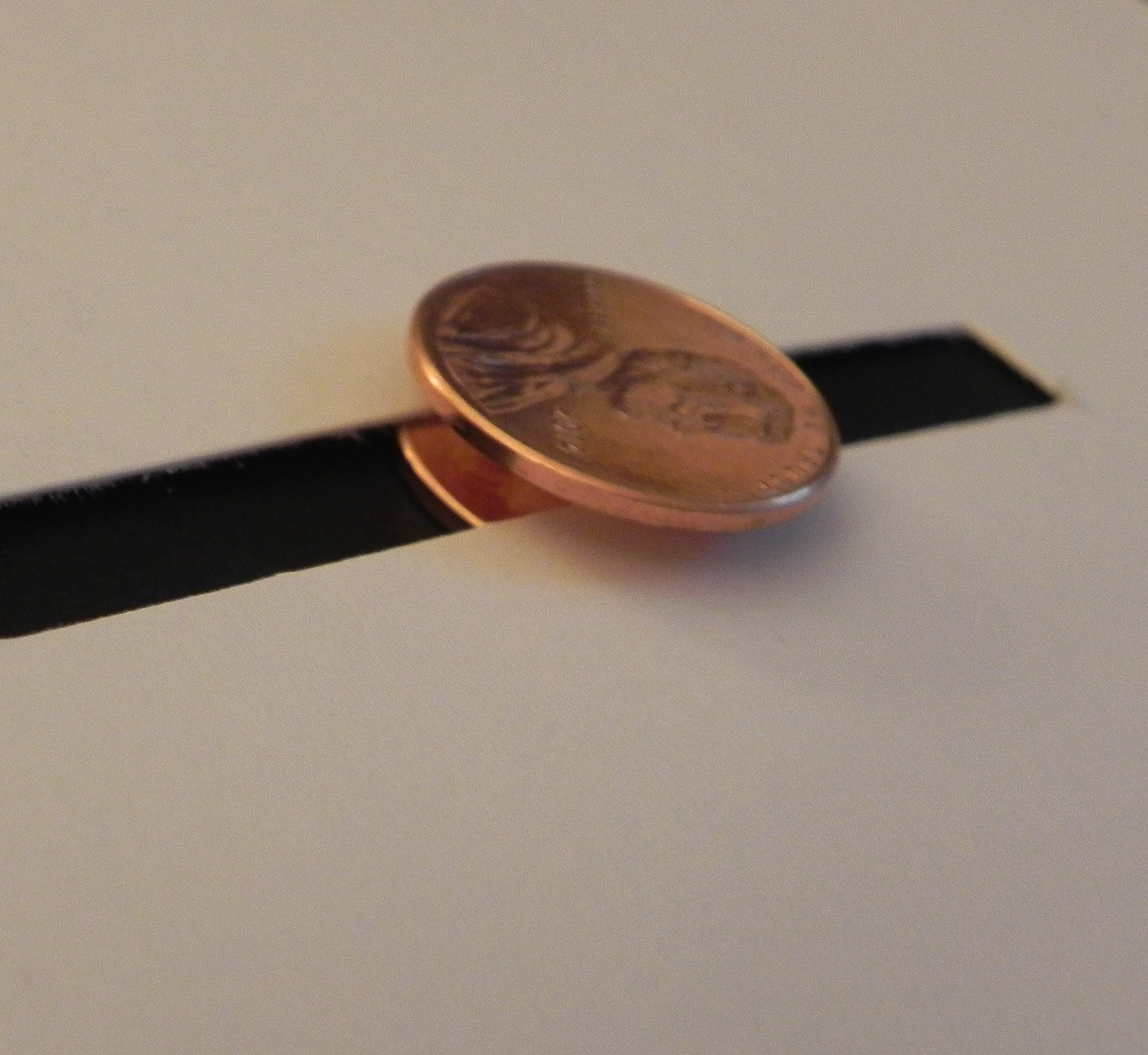
This is a good width.  The penny sandwich can move freely but won’t fall out.

013 DSCN7677

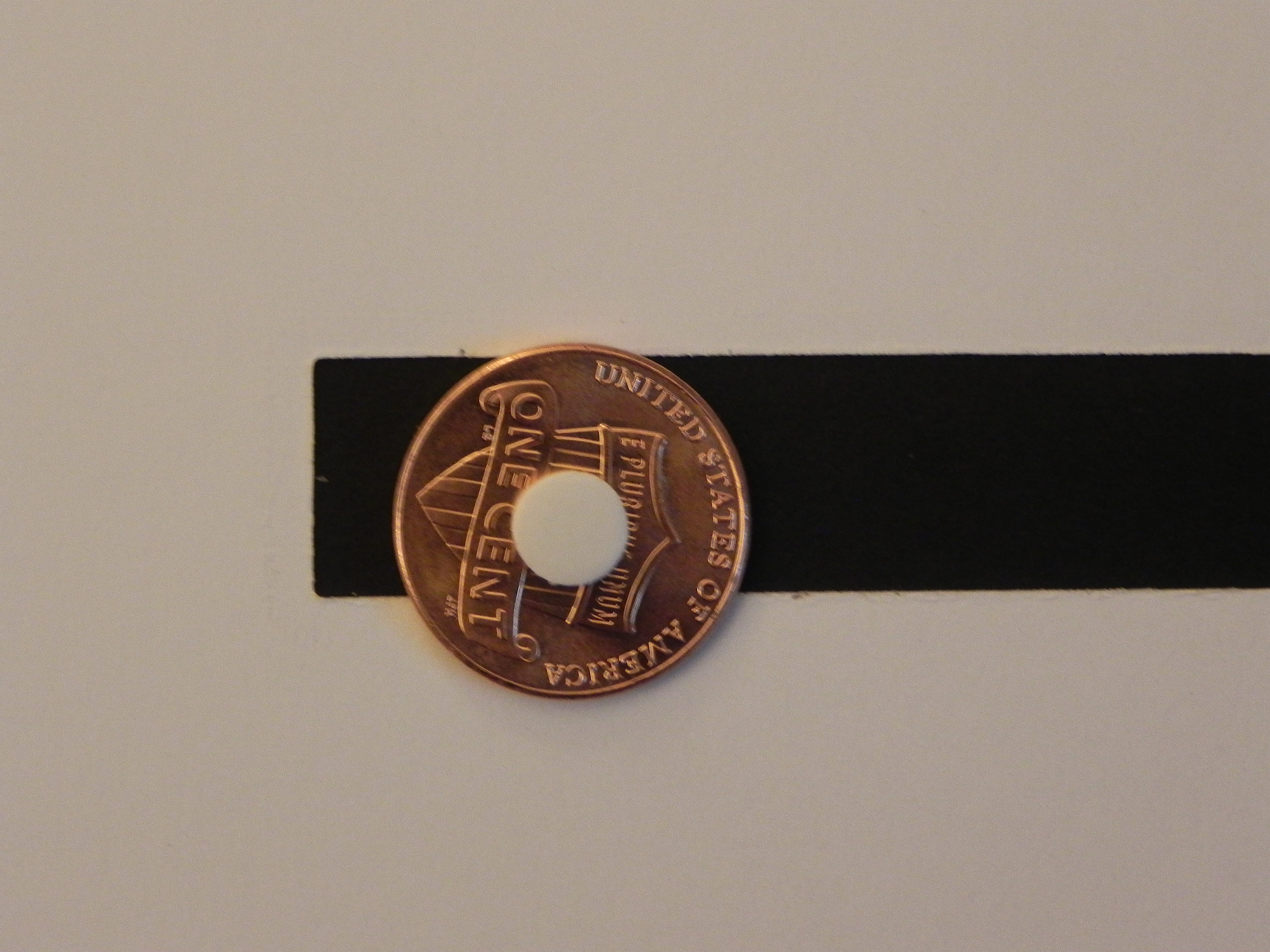
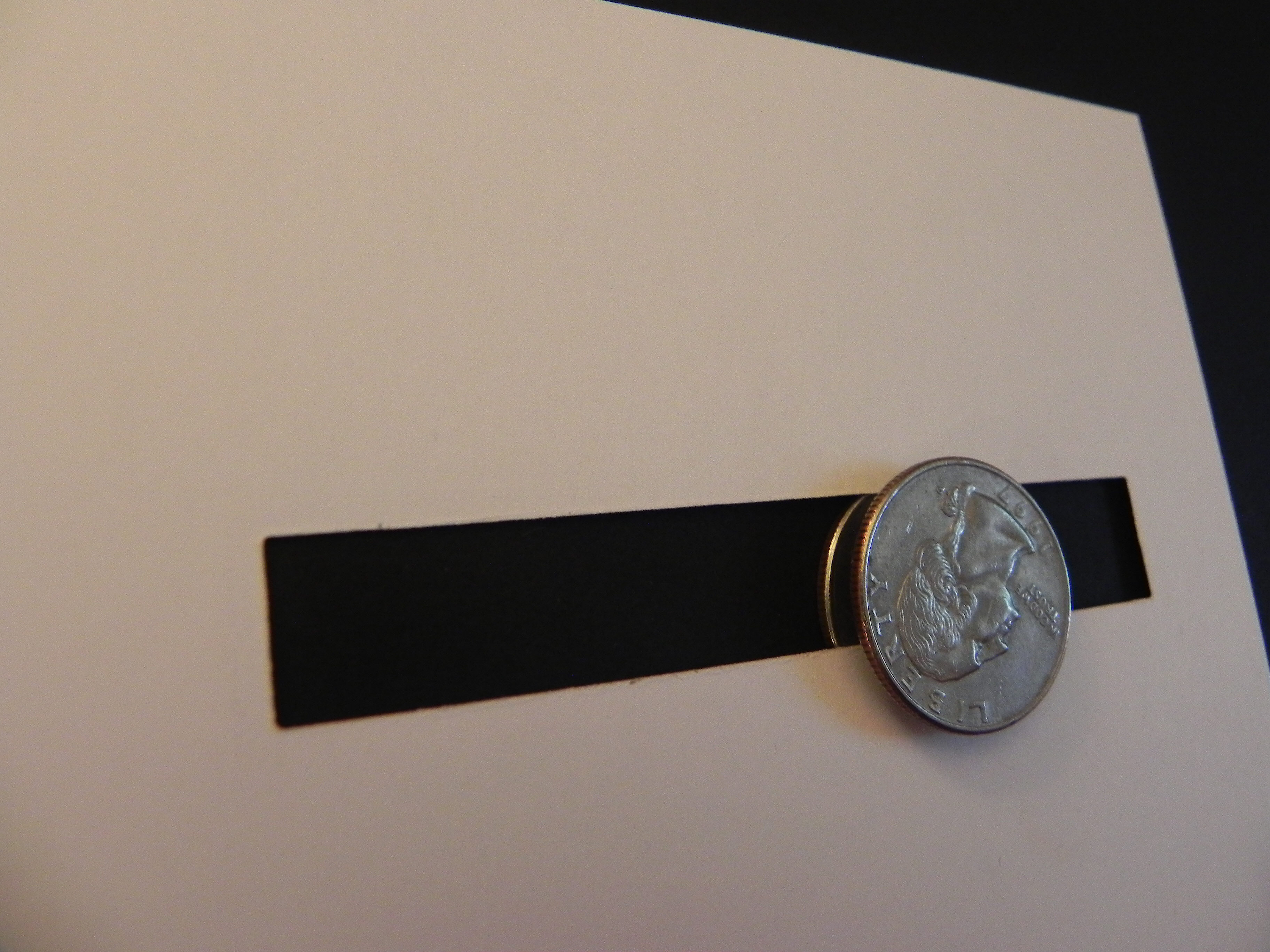
The slot below is too wide.  The penny sandwich can move freely, but the coin is not big enough to stay in the slot.

014 DSCN7662  015 DSCN7676

To fix this, you can use a larger coin, a larger pop dot, (or cut a more narrow channel/slot).

016 DSCN7664  017 DSCN7670


4.  Assembly:

For this step, you need pop dots or foam tape.

a.  If you still need to finish the penny sandwich, you can do that now by attaching the second penny to the foam pop dot directly over the first penny.

006 DSCN7991

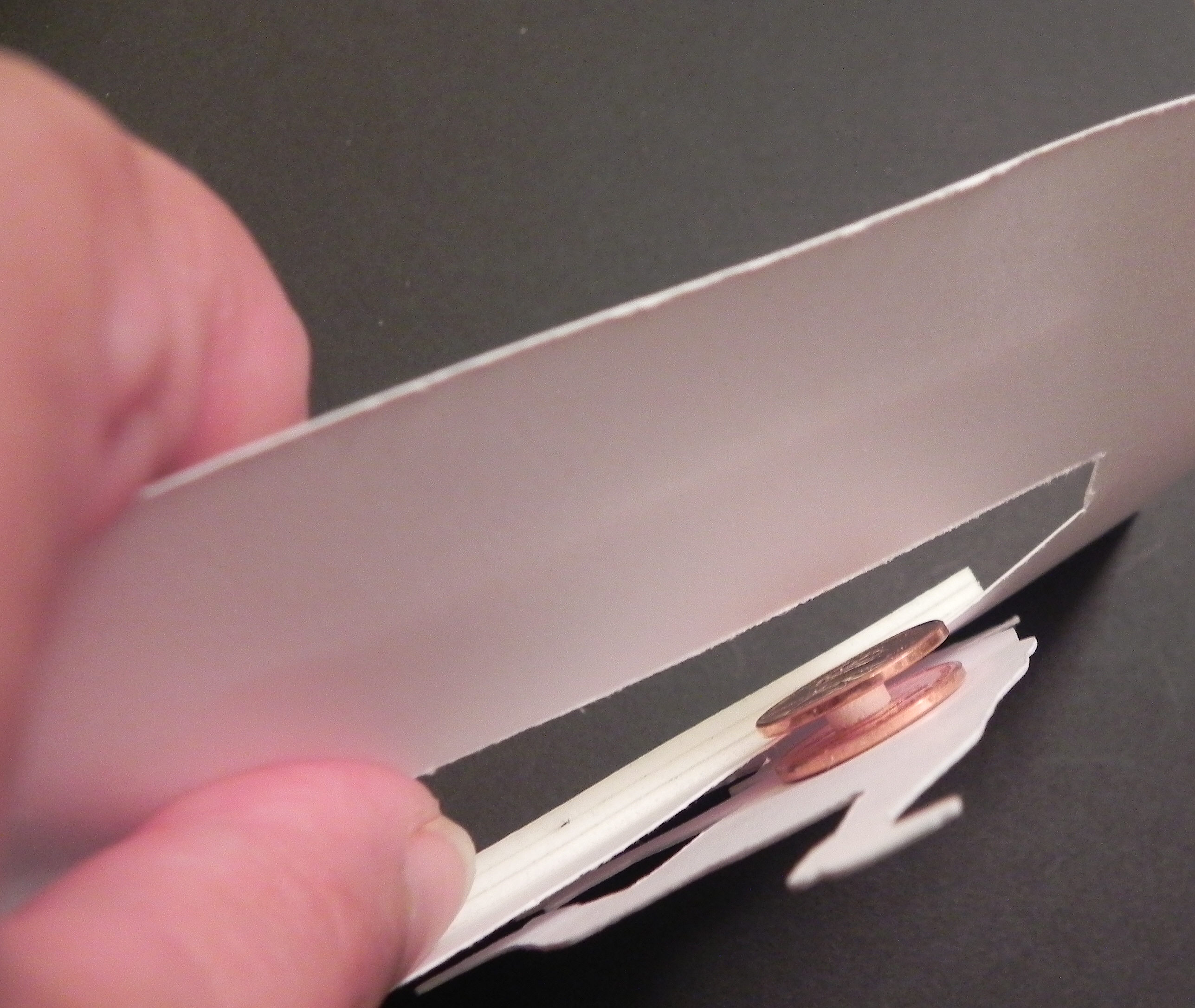
b.  Carefully insert the back penny in the slot by pushing the slot open slightly with your fingers.  Once in, it should not fall out.  (Again – If the element does not spin freely, your slot needs to be wider.  If the element falls out of the slot as it spins, your slot is too wide.  To fix this, use a larger coin or larger pop dot.)

019 DSCN8012

22 DSCN7679   020 DSCN8013 

Tutorial Spinning Element

c.  Once your card front is complete with the spinner element inserted in the slot, it’s time to adhere it to the card base.  This panel needs to be raised to allow the penny sandwich to roll freely so use pop dots or foam tape.  On the back of the card front panel, place the foam tape or pop dots around the channel (without touching the penny) as shown below, and also place foam tape around the edges of the panel (not shown).  You may need to double up the foam tape or pop dots to raise the panel enough so the card base does not come in contact with pennies.

021 DSCN7686

c.  Attach this panel to your card base, and enjoy!


This tutorial is being featured over at Die Cut Divas this month where I was invited to be a guest designer.  They have monthly challenges where all cards/projects must be made using at least one die cut or embossing folder, and this month’s challenge is Your Favourite Holiday.  (Click HERE to see all the challenge rules.)  Pop on over to Die Cut Divas and share your holiday projects.  I can’t wait to see what you create!


Thanks for checking out my post!

Spinning Santa

Spinning Santa

Spinning Santa wDSCN7952.jpg

This adorable Santa stamp called “Santa Falling Off Roof” is by Uptown Rubber Stamps.  It just seemed to me like he needed to be “tumbling” so I created a penny slider/spinner card to allow him to “tumble” freely!

A penny slider or spinner card (I’ve seen them called both) has an element on the card that spins as it travels across the card.  It’s called a penny slider or spinner card because the spinning element is mounted on a “sandwich” of two pennies with a pop dot in the center which rolls across the card in a slot or channel that you create on the front of your card.

Spinning Santa

Click HERE to see a tutorial on how to create a penny slider or spinner card.

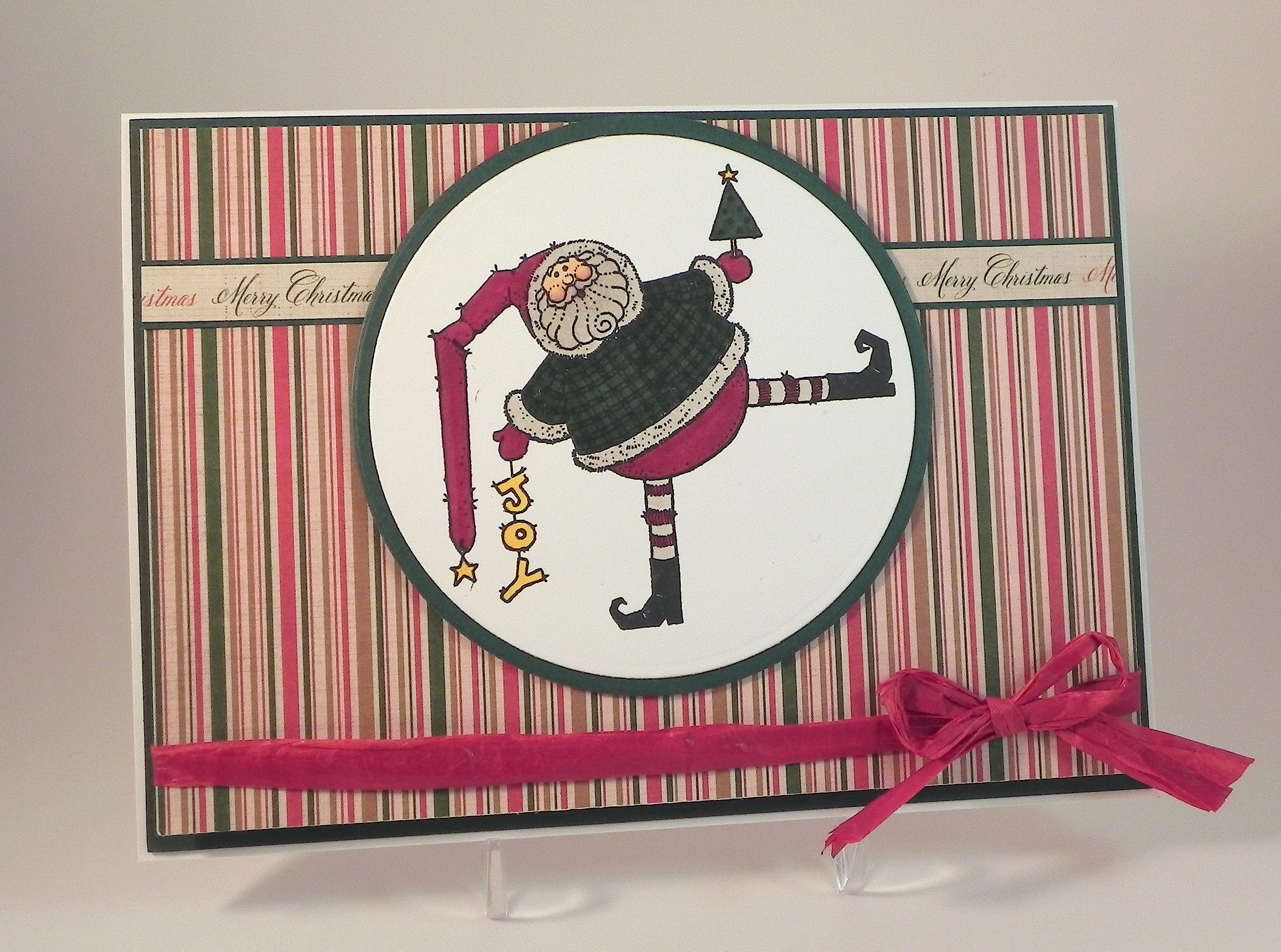
After I stamped and colored my image, I used two dies (the 7th and 8th from the outside) from the We R Memory Keepers Nesting Dies “Circles” set to cut out the image and the mat.  I used the smaller of the two long, skinny dies from the Spellbinders “A2 Matting Basics B”  set to cut the channel or slot across the middle of my card.  (It made a beautiful, clean looking cut, but it was slightly wider than I would have liked so I ended up using quarters instead of pennies to insure that the spinning element didn’t fall out.  I discovered later that using larger pop dots would also have fixed the problem.)  What I really like about this design is that with such a large spinning element, it is possible to display the card with the channel completely hidden from view when you are not “playing” with it.  (I created another penny slider card HERE where the channel is always visible.)

I colored the image with Copic Markers (R59, G29, E21, E04, W1, and Y17) .  The striped designer paper is called “Christmas Stripe” from the “A Christmas Story” line by Reminisce.  I mounted this panel on a piece of heavy weight card stock (before cutting the channel) to make it sturdier.  The strip of patterned paper that says “Merry Christmas” is actually the back of the bar code/label strip of a piece of paper called “Christmas Holly” from the same Reminisce line.  The mats are Gina K Christmas Pine.   Recollections heavy weight white was used for the card base.  I adhered the striped piece (that was removed to create the channel) to the card base directly behind the channel to make the channel less noticeable.   A piece of red raffia ribbon was added to finish it off.

This card is one of the cards being featured over at Die Cut Divas this month where I was invited to be a guest designer.  They have monthly challenges where all cards/projects must be made using at least one die cut or embossing folder, and this month’s challenge is Your Favourite Holiday.  (Click HERE to see all the challenge rules.)  Pop on over to Die Cut Divas and share your holiday projects.  I can’t wait to see what you create!

Thanks for checking out my card project!

This content uses referral links as described in the disclosure policy on my sidebar.

Hang in There Get Well Card

Hang in There Get Well Card

cDSCN7665

This card is one of the cards being featured over at Die Cut Divas this month where I am extremely excited and honored to have been asked to be a guest designer for the month of August.  (Thanks, Cathie, for asking me!!)  They have monthly challenges where all cards/projects must be made using at least one die cut or embossing folder.  (Click HERE to see all the challenge rules.)

The monkey image on this card is from “Monkey Business” by Stampin’ Up. If you move the green circle at the top of the card, the monkey “swings” back and forth.  The card design was inspired by a You Tube video called, “INTERATIVE CARDS – HOW TO CREATE A SWING CARD” by Craft Lovers (HERE).

Hang In There video clip 2 DSCN7783

The leaves were cut with my Silhouette (leaf design id #1221 from the Silhouette Store).  The ovals were made with dies from the Spellbinders Classic Ovals die sets.  The greeting is computer generated.  The green patterned paper is from a digital paper set called Jungle from an Etsy shop called PrettifulDesigns (HERE).  The two solid green papers were made by importing the digital paper into the Silhouette Software and using the “Fill Color” dropper to “copy” the colors onto panels to print.  This paper was then used for the leaves.  The ivory panel behind the monkey was made with the Hero Arts “Florentine Scroll Background” stamp and memento dessert sand ink.

Pop on over to Die Cut Divas and check out their current challenge – Your Favourite Holiday.

Thanks for checking out my post.